
Idaho Hospital Association: Idaho’s Way of Life Depends on Strong Rural Hospitals
Rural Idahoans enjoy a distinct way of life. One benefit is living in a tight-knit community while also enjoying the freedom to easily access the open space around you. This lifestyle can also mean going without things you have access to in a bigger town, but healthcare should not be one of them. As we celebrate National Rural Health Day, let’s support and protect the hospitals that serve our rural communities.
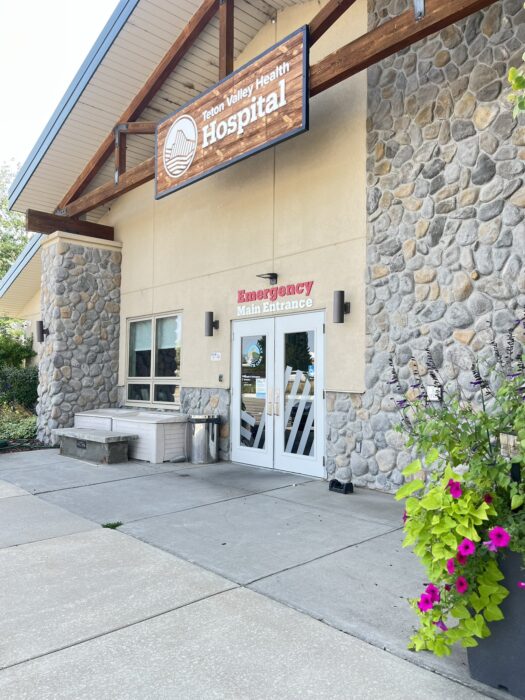 Twenty-seven of Idaho’s community hospitals serve rural areas but all fifty-one of them treat rural patients. Half of our rural hospitals operate with razor thin margins of less than 1%. They strive to maintain crucial services, including behavioral health and maternity care. Those services are difficult to maintain in rural communities and are often the first to be cut when finances get tight. The recent decision to reduce provider payments by 4% for treating Medicaid patients will add to the financial vulnerability small hospitals experience. While other states experience hospital closures, Idaho has managed to combine strong fiscal stewardship with innovative solutions to avoid a devasting outcome.
Hospitals do not close without warning, but some warning lights are flashing in Idaho. 98.2% of Idaho is designated as a Primary Care Health Professional Shortage Area, affecting 57.8% of the state’s population. Idaho ranks last in the nation for physicians per 100,000 residents and we are well below the national standard for the number of registered nurses needed for our size. Shortages create barriers to healthcare, particularly in rural communities. Lack of healthcare professionals adds to the pressure on hospitals.
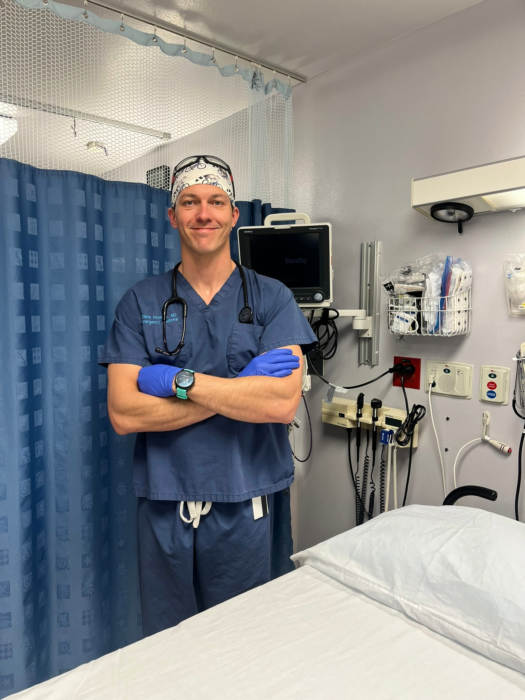 Without a local hospital, Idahoans are forced to travel further to receive care. This means delayed emergency services and added expense and travel time. Communities like Salmon, home to the most remote hospital in the lower 48 states, would suffer devastating effects if Steele Memorial Medical Center was forced to close.
Benefits of a strong hospital are not limited to patient care; it also impacts the economic well-being of a community. They provide valuable jobs, make purchases from local businesses, and generate millions in local and state tax revenue. Today, rural hospitals employ over 8,000 Idahoans and our communities would not thrive without them.
Healthcare providers are facing more cuts, including those in the One Big Beautiful Bill Act. However, OBBBA also dedicated funding to rural health programs. Senator Mike Crapo, Chairman of the Senate Finance Committee, acknowledged the situation with a statement that explained, “Rural hospitals have faced ongoing issues for many years, including low patient volumes, inadequate workforces, crumbling infrastructure, outdated technology and changing reimbursement trends. The fiscal vulnerabilities they face are multifaceted and often unique to each facility. The $50 billion rural hospital fund is intended to provide immediate relief to rural hospitals while allowing facilities to establish the tools necessary to be successful in the long term.”
The State of Idaho has submitted a request for those rural health funds. By December 31st, we will know how much federal funding has been approved for programs in our state. Then, Idaho Legislators will vote to decide whether to allow that federal money to flow through to our rural communities. Idahoans who rely on a strong healthcare system should urge legislators to get that money out the door as quickly as possible and into the areas where it’s needed.
Many express their love of our uniquely Idaho way of life. Rural healthcare is a vital part of that life. Now is the time to dedicate the resources needed to preserve it.
Written by,
Toni Lawson
Chief Advocacy Officer, Idaho Hospital Association
To Learn More, please visit www.teamiha.org