





Teton Valley News Interviews Neurology Team For Traumatic Brain Injury Awareness Month
Neurologist Robert Yapundich MD, FAAN and Jenny Willmore, PA-C with Teton Valley Health Care provided information surrounding the signs, symptoms, and prevention surrounding traumatic brain injuries (TBI) in honor of TBI Awareness month.
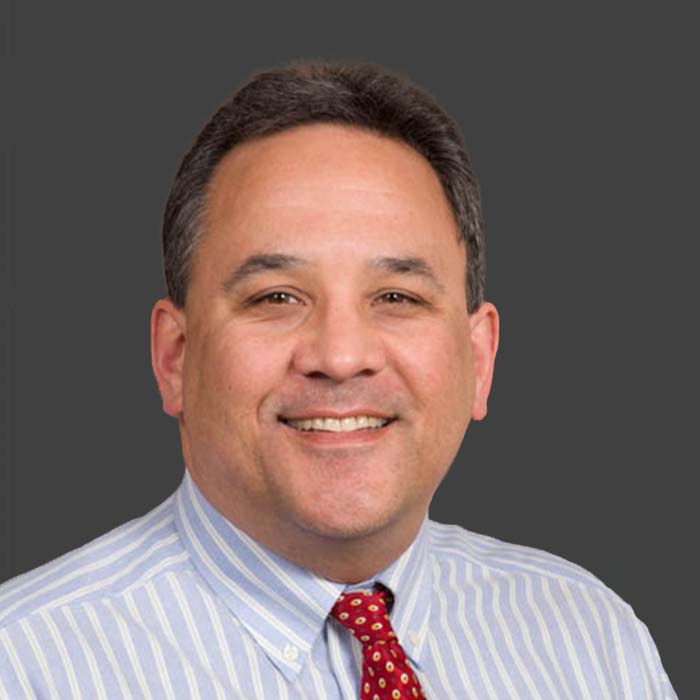
Teton Valley Health Care supports a neurology department, which is very unique and according to Willmore, fortunate, as the next closest would be Idaho Falls, Twin Falls, or Utah before one would find another clinic.
Dr. Yapundich travels to the valley twice a month for clinics from his practice in North Carolina. Willmore spends two-three days a week in Driggs performing clinics for sleep medicine or neurology.
Neurology is often considered the jack of all trades in medicine as so many symptoms are sent their way since a huge variety could be related to brain functionality or injury or something unrelated. Memory issues, strokes, mini strokes, sleep disorders, seizures, a variety of pain disorders, neuromuscular disorders (neuropathy), dizziness, etc. all walk into a neurology department’s doors for diagnosis and treatment.
In Dr. Yapundich’s terms, neurologists are the inspector gadgets of medicine—if they don’t know what’s going on, the patient is sent to them.
The main, though various, symptoms—post concussive syndrome—of a TBI include:
- Sleep difficulties
- Poor concentration
- Memory problems
- Mood problems
- Depressed, fatigued
- Headaches
- Migraine symptoms
- Sensitive to light/sound
- Lack of focus
- Brain fog/feeling disconnected
- Difficulty multitasking
Though they can often work to diagnose through the symptoms a patient is experiencing, brain injuries can manifest in many ways that can also be the result of other issues that do not pertain to a TBI, furthering the need for extensive testing.
Injuries can also be hard to see clearly on an MRI since it’s merely a photo of the brain and doesn’t necessarily show the function. The neurons, similar to wires, can be broken or frayed or even cut at a microscopic level, which greatly affects the function of the brain but cannot be seen in an MRI and must be tested by other systems.

Willmore shared that the majority of head injuries coming into the clinics in this valley are sustained through recreation–skiing, snowboarding, high school sports, mountain biking, etc.
Time unconscious is usually a good indicator of how severe the injury is. Once an individual has undergone a head injury, be it mild (brief change in mental status or consciousness), moderate, or severe (unconscious and not wake up for days or be amnestic), there are several factors that will affect the recovery—the main two including age and the severity of the injury, according to Dr. Yapundich.
“I’ve come to appreciate the reserve,” explained Dr. Yapundich. “Every organ in your body has a reserve tank—your brain, heart, kidneys, liver (you only need about 30% of your kidney to maintain function). When we get older that reserve tank starts to dwindle and diminish to compensate for the injury.”
When the brain is compensating with less reserve due to age or layered trauma, it becomes harder to heal and decreases the chances of one making it back to baseline. One may have to simplify their life to minimize the work of their brain in the day to day tasks.
“The brain can take a long time to heal,” explained Willmore. “To think it’ll only take three or four days is not realistic. Some may but some people may be struggling for up to a year or may never return to baseline.”
Willmore stressed the importance of prevention, such as using a helmet, as well as knowing when to take a break before incurring more injury or trauma because of imbalance or mild brain injury during the same day. As mentioned earlier, brain injuries can take time to heal, and the injury can be exacerbated if one keeps pushing the limits.
Dr. Yapundich explained how previously, they would cocoon individuals who had a lower-level injury—let the brain rest for a couple of weeks, no moving, no screens, dark places. However, they have moved to more of a progressive approach as they encourage the individuals to rest and then gradually increase activity based on the symptoms (walk unless it makes you dizzy, then maybe rest until you try tomorrow).
“We are happy to help out the community any way possible,” said Dr. Yapundich. “A lot of people don’t seek medical attention and sit at home and think the symptoms will go away. It’s like anything else, if you intervene early, you will more likely get over the hurdle. There are symptoms we can’t do anything about, but we have ways to hopefully help how we can.”